Source eco friendly sustainable beech wooden blocks for Home, Gifts, and DIY
Compare 30 listings of eco friendly sustainable beech wooden blocks from verified Chinese manufacturers. Buyers can evaluate customization options, certifications like Reach and CA 65, and lead times for personal decoration, gifts, and daily use applications; compare the available evidence and request quotations based on your requirements.
Key considerations
Products List




Comprehensive Sourcing Guide
Eco Friendly Sustainable Beech Wooden Blocks Sourcing Guide
Sourcing eco-friendly sustainable beech wooden blocks requires a strategic approach that balances material integrity with ethical manufacturing practices. Buyers must prioritize suppliers who demonstrate transparent supply chains, ensuring that the beech wood originates from responsibly managed forests. This focus on sustainability is not merely a marketing trend but a critical component of modern procurement, especially for products intended for children or home decoration. The visual appeal of natural wood grain, combined with the durability of beech, makes it a preferred material for creative and educational toys. Procurement teams should evaluate suppliers based on their commitment to environmental stewardship, looking for evidence of sustainable forestry practices and low-impact processing methods.
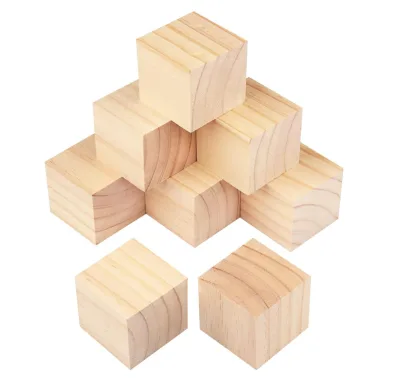
The market offers a diverse range of wooden blocks, from simple geometric shapes to complex construction sets, each serving different functional and aesthetic purposes. Observations indicate that products often feature natural colors and creative styles, appealing to both personal decoration and educational use cases. Buyers should verify that the "eco-friendly" claims are backed by tangible evidence, such as specific material certifications or sustainable sourcing policies. The versatility of beech wood allows for intricate carving and finishing, which enhances the product's value. However, this also means that quality control must be rigorous to ensure consistency in shape, size, and surface finish across large orders.
Product Scope and Observed Listing Signals
The current market landscape for wooden blocks reveals a wide spectrum of product types, ranging from simple decorative items to complex construction toys. Listings frequently highlight attributes such as "Creative" style and "Natural Color," indicating a strong consumer preference for aesthetically pleasing, unbleached materials. Some products are explicitly marketed for yoga exercises or personal decoration, suggesting that the utility of wooden blocks extends beyond traditional play. Buyers should note that while many items are described as eco-friendly, the specific type of wood varies, with beech being a premium option due to its density and smooth finish. Understanding these diverse applications helps in selecting the right supplier for specific market needs.
Observations also show that customization is a key driver in this sector, with many suppliers offering OEM and ODM services. Attributes like "Customized Logo" and "Customized Size" are common, allowing brands to tailor products to their identity. The presence of terms like "DIY" and "Construction Toy" points to a functional focus on creativity and motor skill development. Additionally, some listings mention specific models and packing methods, such as "Color Paper+Carton" or "OPP Bag and Box," which are crucial for logistics planning. Buyers must carefully review these signals to ensure that the supplier's capabilities align with their branding and distribution requirements, avoiding mismatches in product specifications.
Technical Specifications to Verify
When evaluating wooden blocks, precise technical specifications are paramount to ensure product quality and safety. Buyers should verify the exact dimensions, weight, and surface finish of the blocks, as these factors directly impact usability and packaging efficiency. For instance, some products are specified with standard sizes like 7.2x11.2x23cm, while others offer customized dimensions. It is essential to confirm that the wood is properly dried and treated to prevent warping or cracking over time. The surface finishing should be smooth to the touch, free from splinters or rough edges, which is particularly important for products intended for children. Requesting detailed technical drawings or samples can help in assessing these physical attributes accurately.
Material composition is another critical area of verification. While beech is a desirable material for its durability, buyers must ensure that the wood is genuine and not mixed with lower-quality alternatives. The presence of adhesives or finishes should also be scrutinized, as these can affect the product's eco-friendly status. Some listings mention "Solid Wood" and "Carving" processes, which are positive indicators of quality. However, buyers should also check for the type of glue used, ensuring it is non-toxic and safe. Additionally, the structural integrity of the blocks, especially for construction toys, must be tested to withstand repeated use without breaking. Clear specifications help in avoiding disputes and ensuring customer satisfaction.
Compliance and Safety Documentation
Compliance with safety standards is non-negotiable when sourcing wooden blocks, especially those intended for children. Buyers must ensure that suppliers provide relevant certifications, such as CE or ISO, which indicate adherence to international safety and quality norms. For products marketed as eco-friendly, certifications like FSC (Forest Stewardship Council) are crucial, as they verify that the wood comes from responsibly managed forests. Additionally, chemical safety standards, such as REACH or California Proposition 65, should be checked to ensure that the products are free from harmful substances. These certifications not only protect consumers but also mitigate legal risks for the buyer. Requesting copies of these documents during the supplier evaluation phase is a best practice.
Beyond certifications, buyers should also verify the testing procedures used by suppliers to ensure product safety. This includes tests for formaldehyde emission, which is a common concern with wood products. Some listings mention "Excellent" grades for formaldehyde emission, which is a positive sign, but independent verification is recommended. Furthermore, physical safety tests, such as drop tests or torque tests, should be conducted to ensure that the blocks do not break into small, choking hazards. Buyers should also inquire about the supplier's quality control processes, including how they handle defective items. A robust compliance framework ensures that the products meet all regulatory requirements in the target market.
Cost Drivers and Commercial Terms
Understanding the cost drivers for wooden blocks is essential for effective budgeting and negotiation. The primary cost factors include the type of wood, the complexity of the design, and the level of customization required. Beech wood, being a premium material, typically commands a higher price than softer woods. Additionally, intricate carving or custom molding processes can increase production costs. Buyers should also consider the packaging requirements, as eco-friendly packaging solutions may be more expensive than standard options. Volume discounts are often available, but the minimum order quantity (MOQ) can vary significantly among suppliers. Negotiating favorable terms based on order volume can help in reducing overall procurement costs.
Commercial terms and payment conditions also play a significant role in the total cost of ownership. Buyers should review the supplier's trade terms, such as EXW, FOB, or DDP, to understand who bears the responsibility for shipping and insurance. Payment terms, such as TT (Telegraphic Transfer), should be negotiated to align with the company's cash flow policies. Lead times are another critical factor, with some suppliers indicating a lead time of 35 days after sample approval. Delays in production can impact inventory levels and sales cycles, so it is important to factor this into the planning process. Clear communication regarding costs and terms helps in avoiding unexpected expenses and ensures a smooth procurement process.
Supplier Qualification and Quality Control
Supplier qualification is a critical step in ensuring the reliability and consistency of wooden block supplies. Buyers should conduct thorough due diligence, including site visits or virtual audits, to assess the supplier's manufacturing capabilities and quality control systems. It is important to verify that the supplier has the necessary equipment and skilled labor to produce high-quality wooden blocks. Suppliers with OEM and ODM capabilities should be evaluated based on their design and engineering expertise. Additionally, checking the supplier's track record and references can provide insights into their reliability and customer service. A qualified supplier is one that not only meets technical specifications but also demonstrates a commitment to continuous improvement.
Quality control processes should be clearly defined and agreed upon before production begins. Buyers should establish clear acceptance criteria for product quality, including dimensions, surface finish, and packaging integrity. Regular inspections, such as pre-production, during-production, and pre-shipment inspections, can help in identifying and addressing issues early. Suppliers should have a robust system for handling defects and returns, ensuring that any non-conforming products are promptly replaced. Communication is key, so establishing a clear channel for feedback and issue resolution is essential. By prioritizing supplier qualification and rigorous quality control, buyers can minimize risks and ensure that the products meet their high standards.
Long-Term Procurement Checks
Long-term procurement success depends on continuous monitoring and evaluation of supplier performance. Buyers should establish key performance indicators (KPIs) to track metrics such as on-time delivery, product quality, and responsiveness to issues. Regular performance reviews, conducted quarterly or annually, can help in identifying areas for improvement and reinforcing good practices. It is also important to stay updated on changes in regulations and market trends, as these can impact sourcing strategies. Building a strong relationship with suppliers based on mutual trust and transparency can lead to better collaboration and innovation. Long-term partnerships often result in more favorable terms and priority treatment during peak seasons.
Sustainability should remain a core focus in long-term procurement, with regular audits to ensure that suppliers continue to meet environmental standards. Buyers should encourage suppliers to adopt new technologies and practices that reduce their environmental footprint. This could include using renewable energy in production or implementing waste reduction programs. Additionally, buyers should diversify their supplier base to mitigate risks associated with single-source dependencies. Regularly reviewing and updating the supplier qualification criteria ensures that the procurement process remains aligned with the company's strategic goals. By focusing on long-term checks and continuous improvement, buyers can build a resilient and sustainable supply chain.
FAQs
Can I customize the logo on these wooden blocks?
Yes, customized logos are available for these eco-friendly beech wooden blocks. The product supports OEM services and allows buyers to request specific branding. This customization option is suitable for gifts, commerce, and personal decoration purposes while maintaining the natural color and creative style of the item.
What is the typical lead time for these wooden blocks?
The usual lead time is 35 days after sample approval. This timeline applies to orders for the decorative items and construction toys listed. Buyers should plan their procurement schedule accordingly to ensure timely delivery for home decoration, gifts, or daily use applications in various regions.
Which certifications do these wooden blocks hold?
These products hold Reach and CA 65 certifications to ensure safety. The materials are solid wood or ABS plastic, processed through carving or finished methods. These certifications confirm the items are eco-friendly and safe for use by children aged 3-8 years or for general home decoration purposes.
How are these wooden blocks packed for shipping?
Packing options include color paper with carton or OPP bag with box. Some items use standard export packing in carton boxes. This ensures the blocks remain protected during transit whether they are solid wood decorative items or ABS plastic construction toys intended for outdoor or indoor use.
What are the available customization options for size?
Customized sizes are available for these eco-friendly sustainable beech wooden blocks. Buyers can request specific dimensions to meet their unique requirements for decoration or collection. The product supports OEM and ODM services, allowing flexibility in specifications while maintaining the creative style and natural color features.
Where are these wooden blocks manufactured?
These blocks originate from Jiangsu, Anhui, and Jinhua in China. The manufacturing facilities support OEM services and have R&D capacity for customization. Buyers can source these solid wood or ABS plastic items directly from these locations for various applications including gifts, commerce, and daily use.
Can I order these blocks for personal decoration use?
Yes, these blocks are suitable for personal decoration, collection, and home decoration. They are designed as creative decorative items with a natural color and eco-friendly finish. The product also serves as a gift or for daily use, making it versatile for various consumer needs and preferences.